Claims packets are rarely one clean form. A single PDF may include FNOL pages, photos, estimates, and correspondence. Adjusters burn time hunting policy numbers and loss dates across scans while retyping into the claims system.
Extraction plus packet splitting does not replace adjusters. It removes the retype tax and gives a consistent field table for whatever you send downstream.
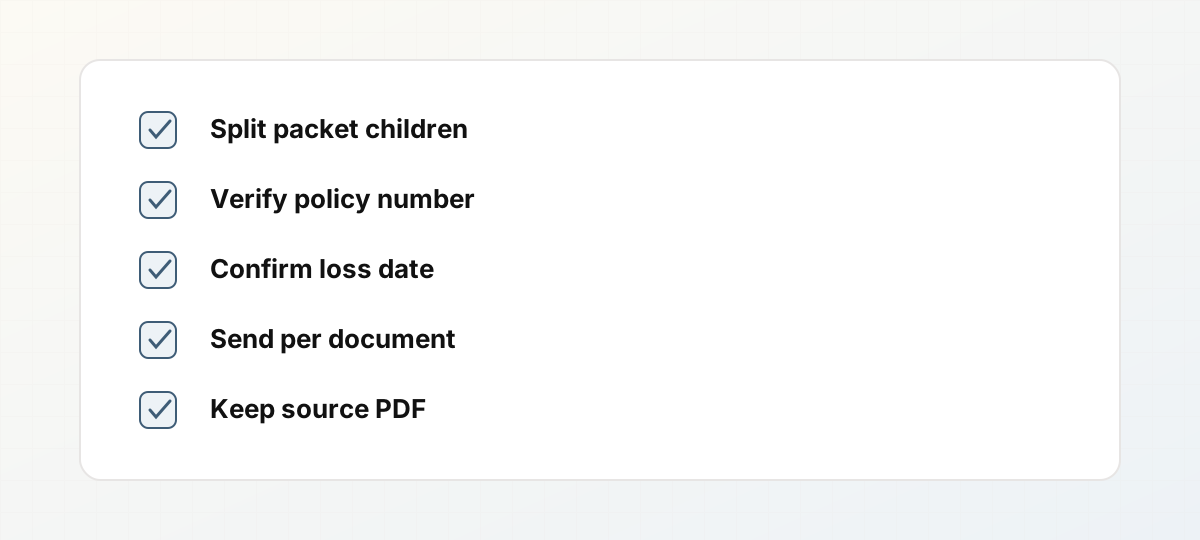 Claims packet quality bar.
Schema for FNOL-style intake
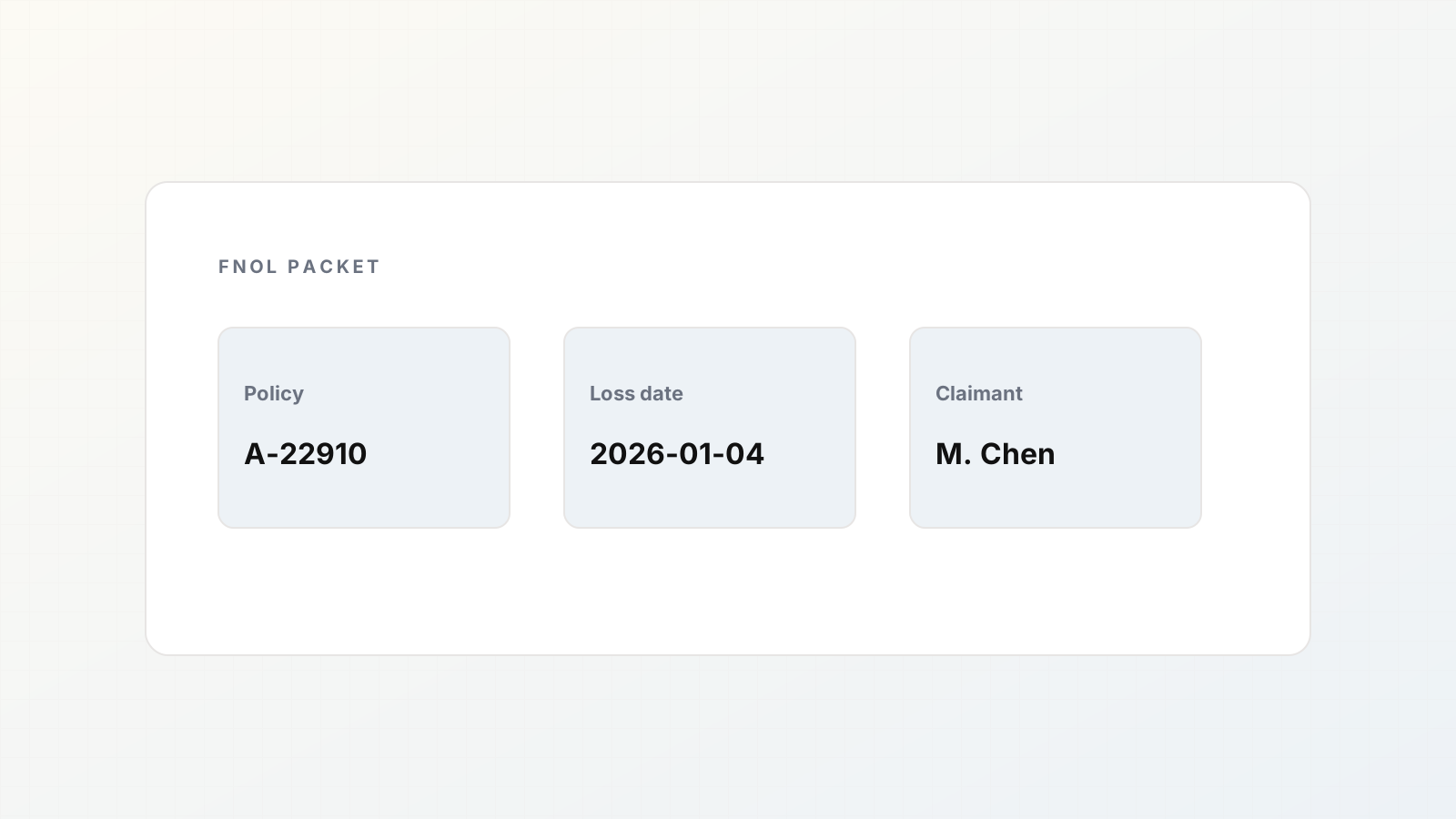
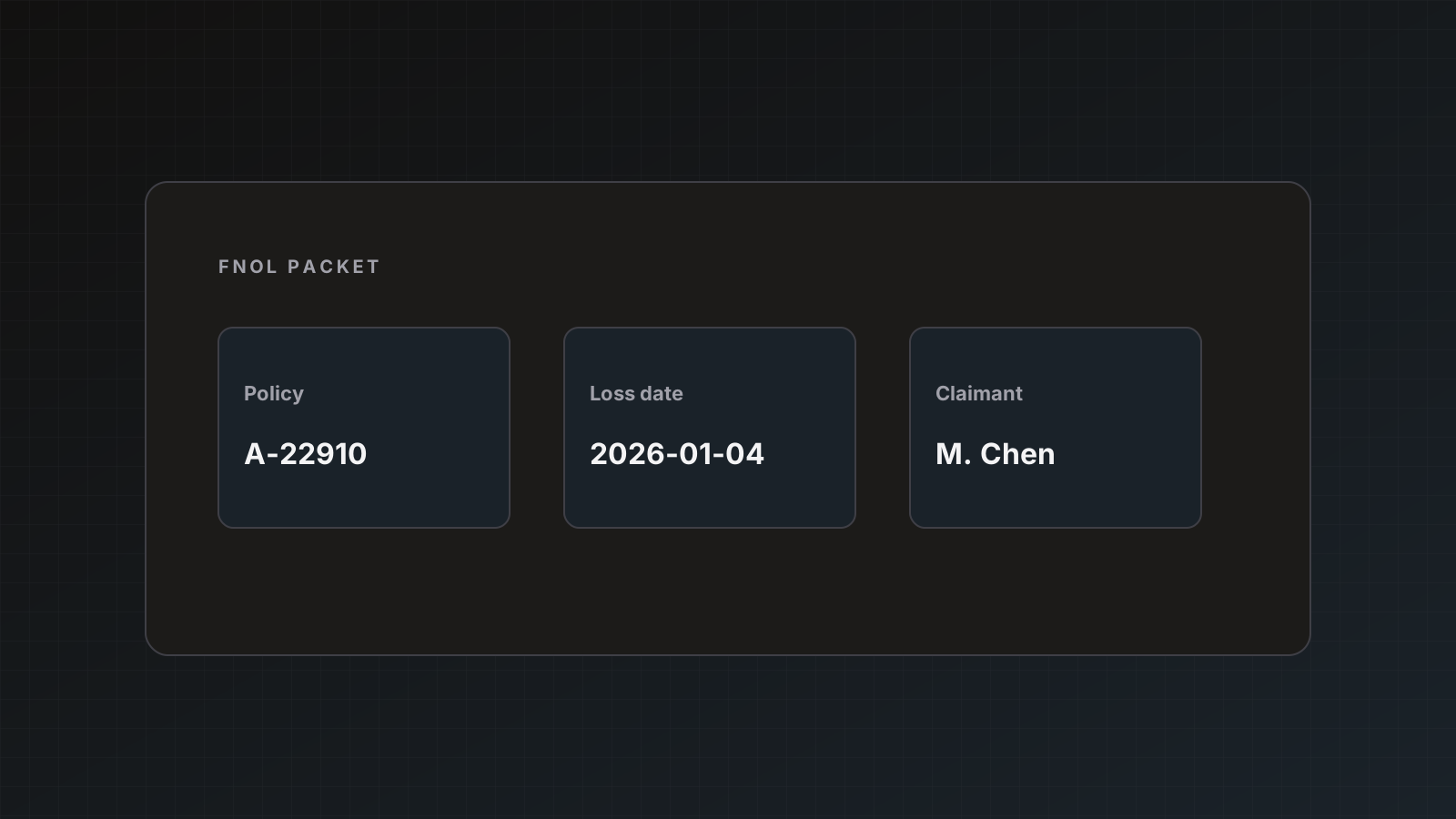
Common header fields:
- Policy number
- Claim / reference number
- Loss date and notice date
- Claimant name
- Loss location
- Brief loss description
- Carrier or channel label (if multi-carrier)
Keep medical or legal narrative fields out of v1 unless a downstream system requires them. Schema design habits.
Packets are the default, not the exception
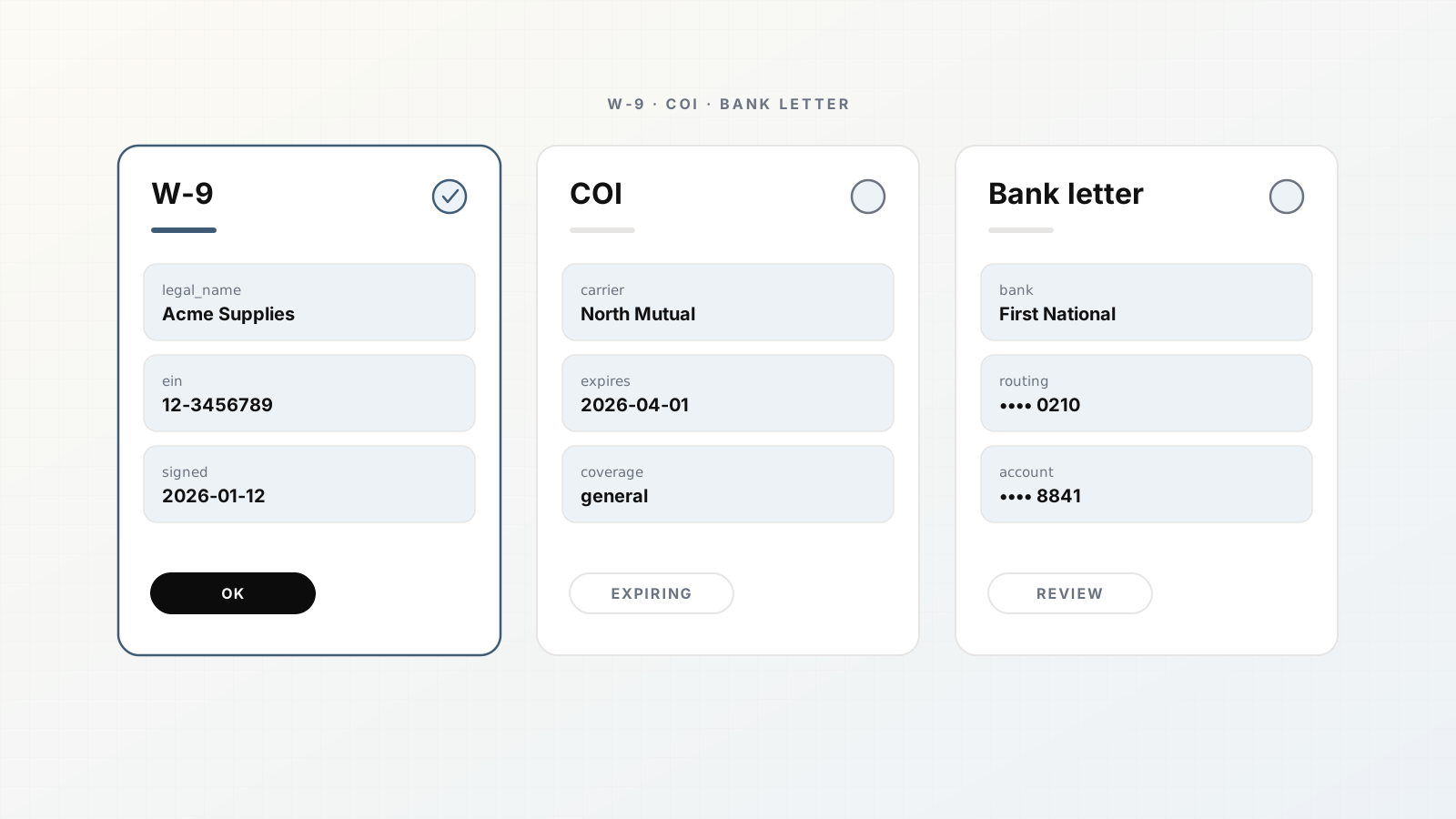
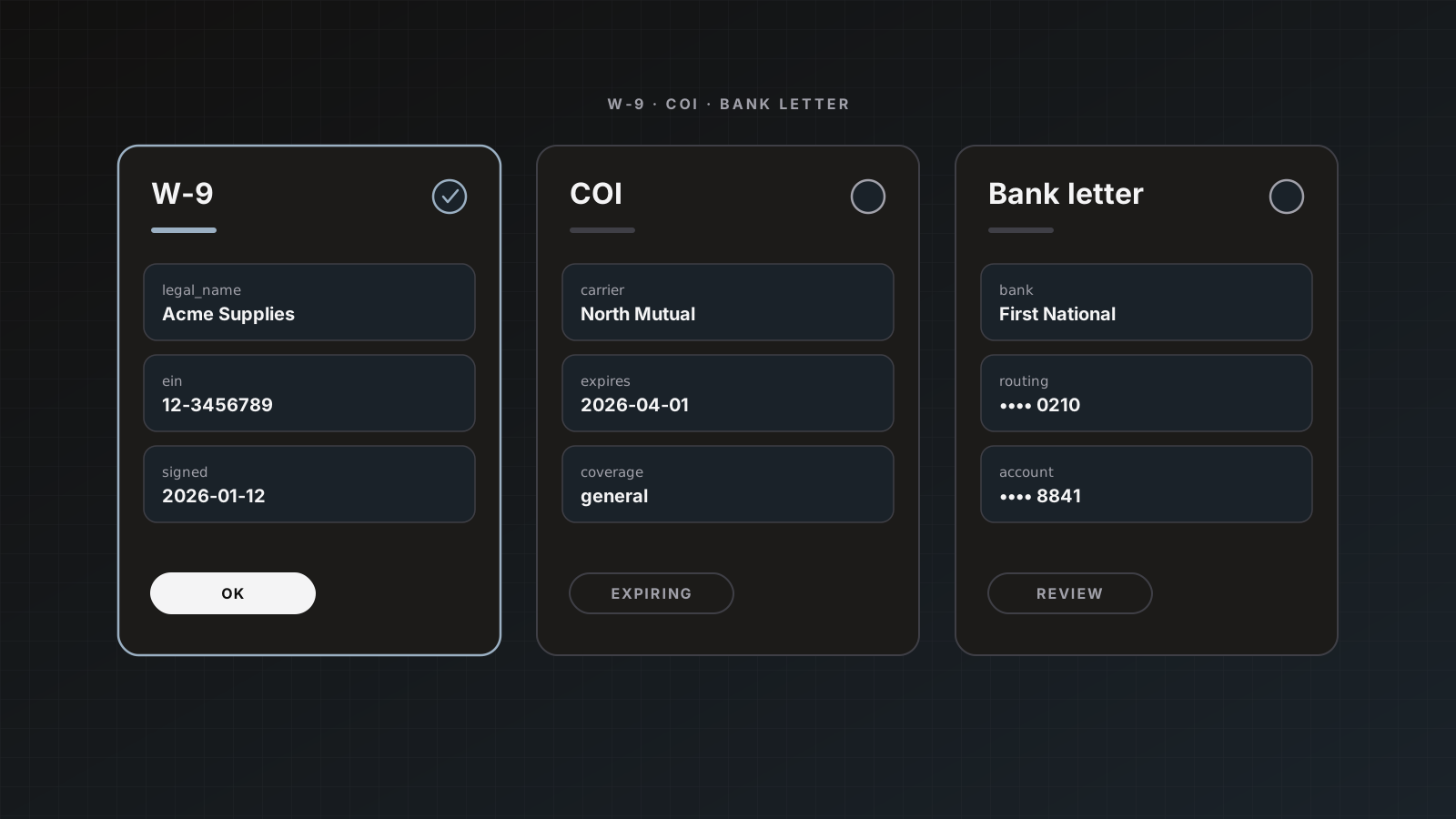
Enable your mental model for mixed PDFs: parent Packet, children with page ranges, review per child. Choose send modes that match the claims API (often per document). Packet guide, docs Document packets.
Intake channels
- Email forwarding from claims inboxes
- Drive imports for bulk carrier drops
- Zapier or API from portal exports
- Manual upload for oddities
Document intake.
Review policy
Handwriting and fax quality raise touch rates. Keep auto-send off. Use text selection for policy numbers. Store the source file; disputes need the image. Human review.
Destinations
Sheets for triage boards, webhooks for claims platforms, CSV for partner handoffs. Accounting connectors matter when the same workspace also runs AP.
Pitfalls
- One mega-schema for every carrier form
- Ignoring 40-page dumps in credit forecasts (forecast credits)
- Auto-send before split quality is trusted
- Putting sensitive PII in marketing screenshots or shared demos
Where Parsedit fits
Parsers, packets, review, and delivery into tools you already use. Soft CTA: pilot one carrier packet type. Related: Workflows to automate.
Carrier variation without schema chaos
Resist one universal claims schema. Prefer:
- A shared core (policy, loss date, claimant, location)
- Carrier-specific optional fields only when volume justifies them
- Separate parsers when two lines of business never share reviewers
When a new carrier arrives, upload five packets, note repeated misses, then edit the template. Do not invent fields from a single sample PDF.
Credit reality for photo-heavy PDFs
Photo appendices inflate page counts quickly. If adjusters only need FNOL fields, ask intake to separate photos into a second file when possible, or accept higher page usage as the cost of keeping evidence together. Forecast with real averages, not hope.
What “done” means for a claims packet
Done is not “AI filled JSON.” Done is:
- Children split into usable segments
- Core fields verified
- Payload delivered to the claims system or triage sheet
- Source PDF findable from the claim id
Write that definition into training so vendors pitching touchless FNOL do not redefine your SLA.
Worked example: FNOL email with 22-page PDF
- Intake lands the PDF on the FNOL parser.
- History shows a packet with children (FNOL form, estimate, photos section if split).
- Review the FNOL child for policy number, loss date, claimant.
- Skim estimate child for totals you store.
- Send Each document separately to the triage sheet.
- Adjuster opens claims system with structured fields already available.
Credits: 22 pages. If you process 200 similar files monthly, plan ~4,400 pages before buffer.
Quality bar for “ready”
Policy number verified against the page, loss date plausible, claimant non-empty, destination success icon present. Anything less stays in review.
Claims work punishes shallow demos. Pilot with your noisiest carrier packets, not the cleanest PDF in the sales deck.
If a carrier changes FNOL layout, do not rebuild everything. Upload five new samples, adjust the template fields that broke, and keep the core keys stable for your webhook consumer.
Claims packet intent
FNOL extraction and insurance document splitting buyers care about policy fields and page costs. Lead with those, not model brand names.
FAQ
Can photos inside PDFs be separate children? Splitting follows logical documents/types; photo-only appendices may stay with a parent segment. Test with samples.
Is this a claims system of record? No. It feeds yours.
How do we handle HIPAA or sensitive data? Follow your compliance program; see Data security and restrict seats.
Run one real FNOL packet through split and review. Create a parser.