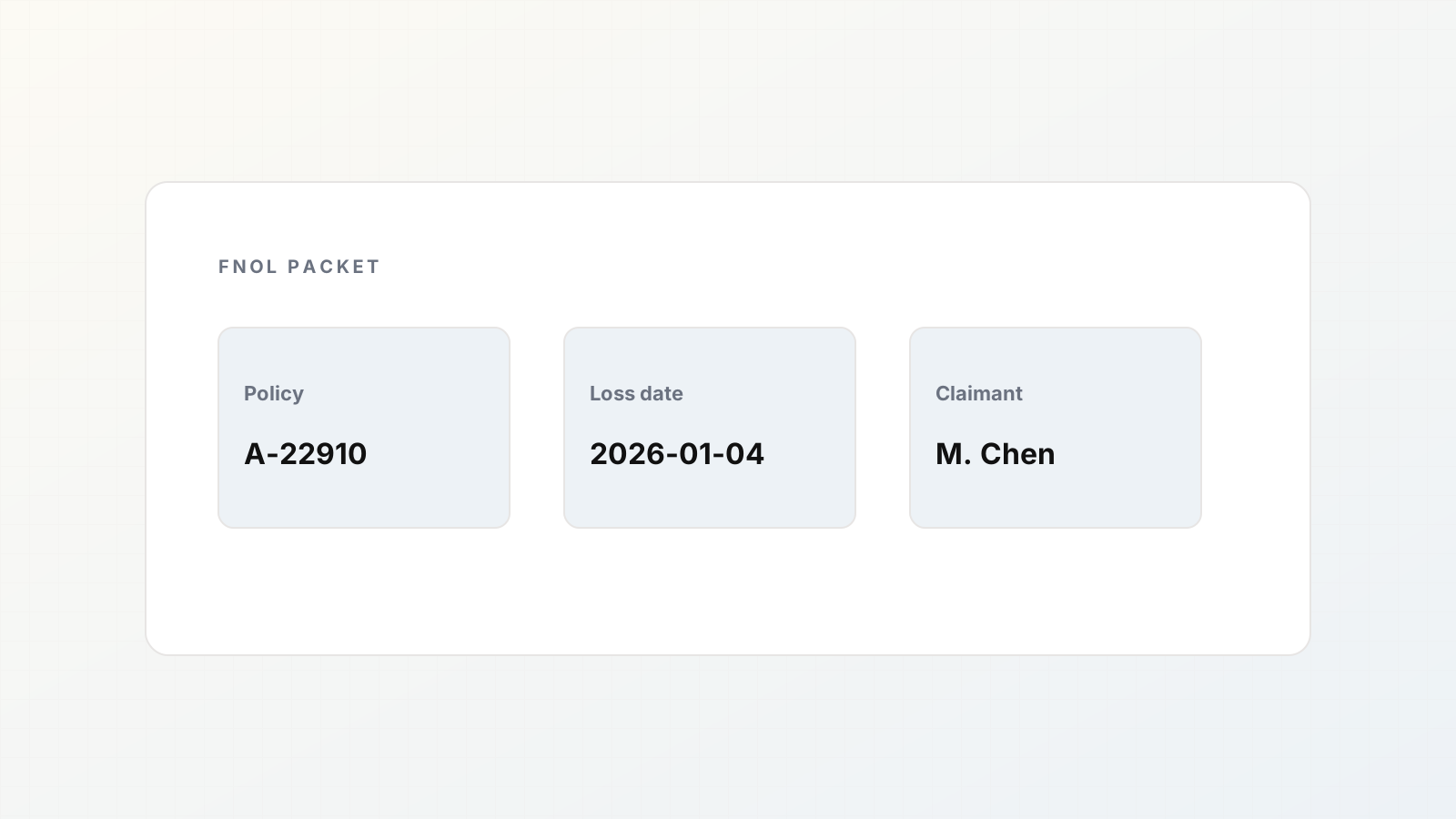
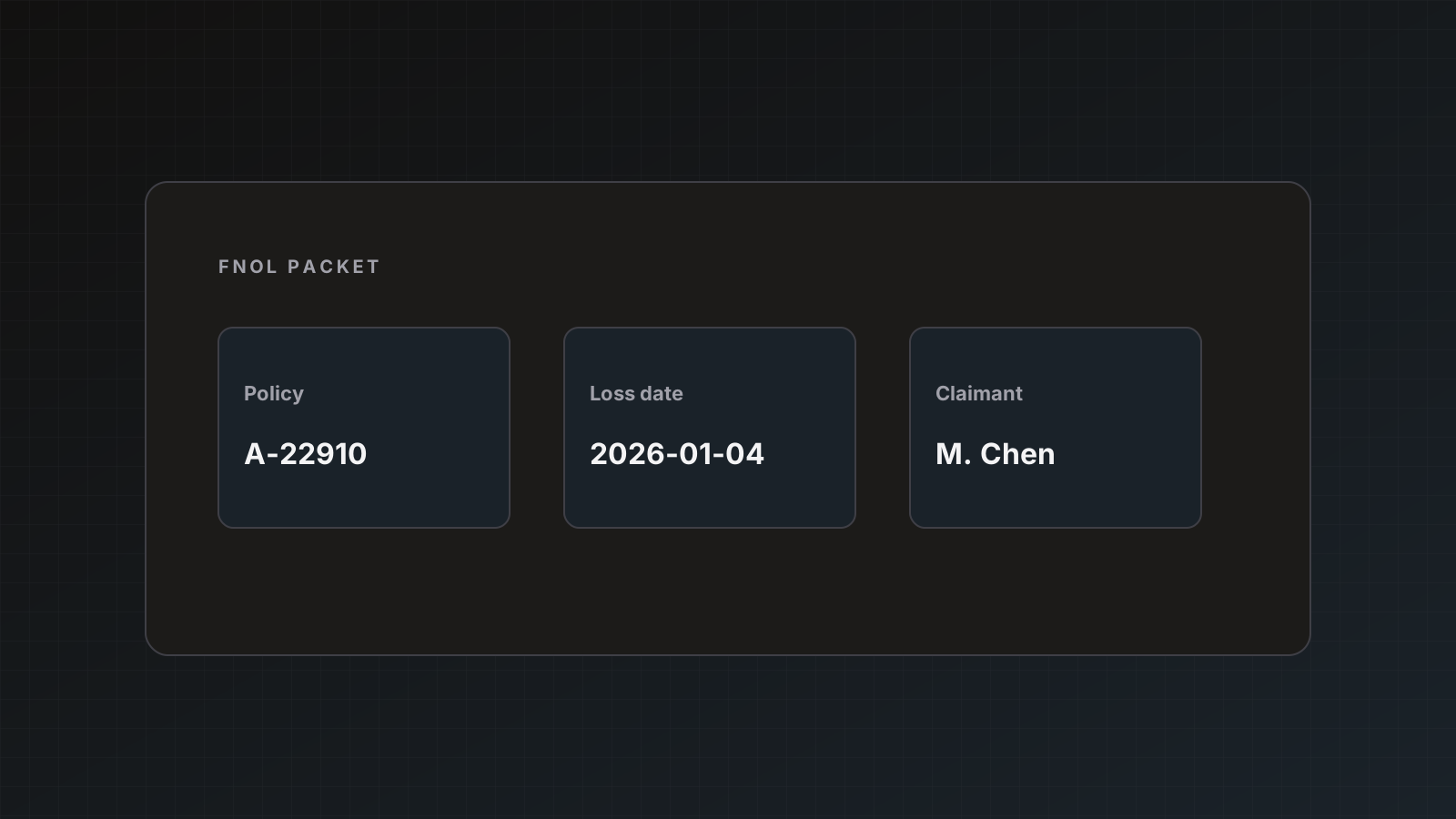
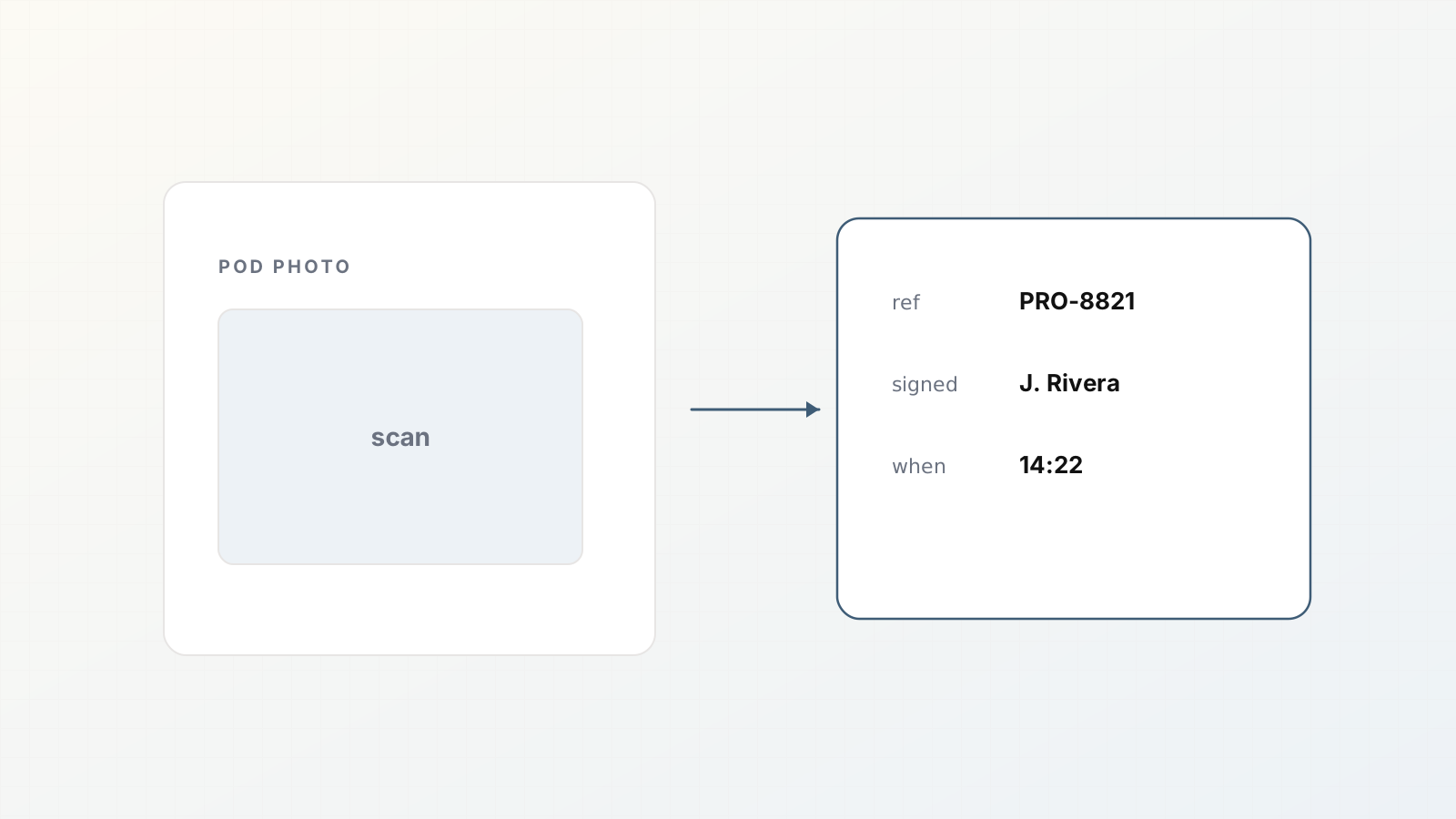
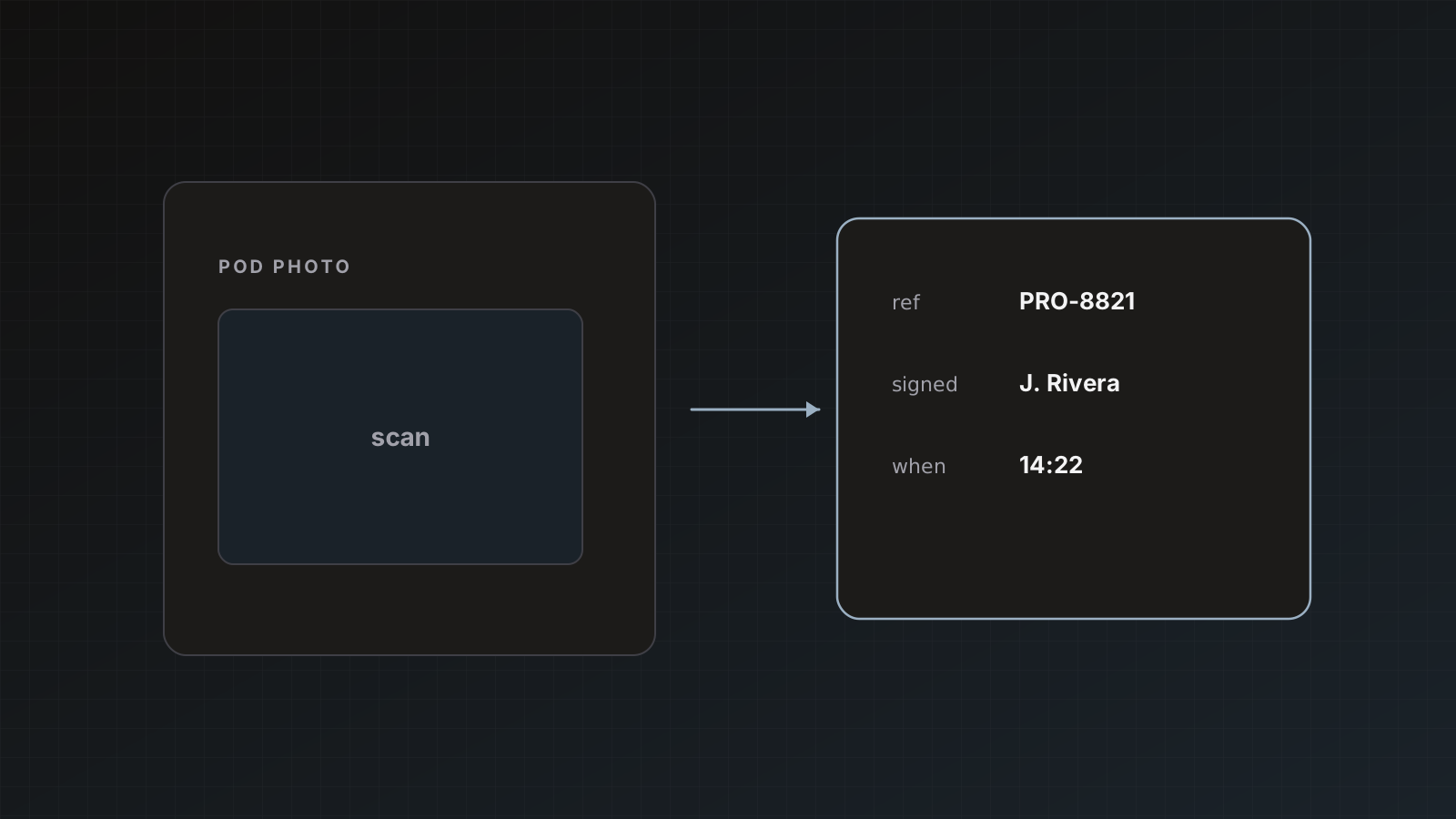
Vendor onboarding stalls on documents: W-9s, certificates of insurance, bank letters, sometimes signed MSAs. Procurement activates a supplier, then discovers a COI expired last month or a tax name that does not match the contract entity.
Extraction will not replace your compliance checklist. It will tell you what is missing before activation day.
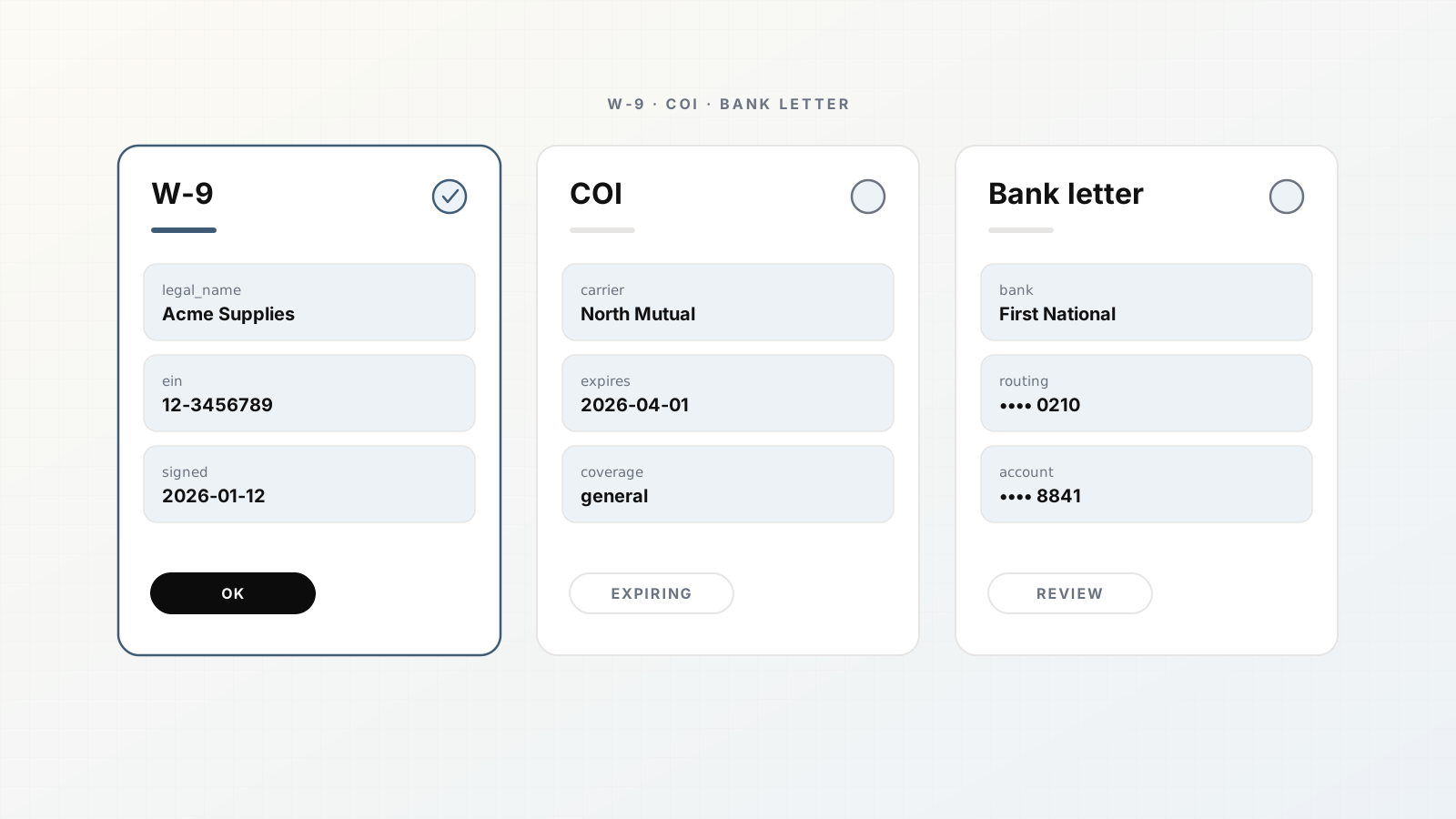
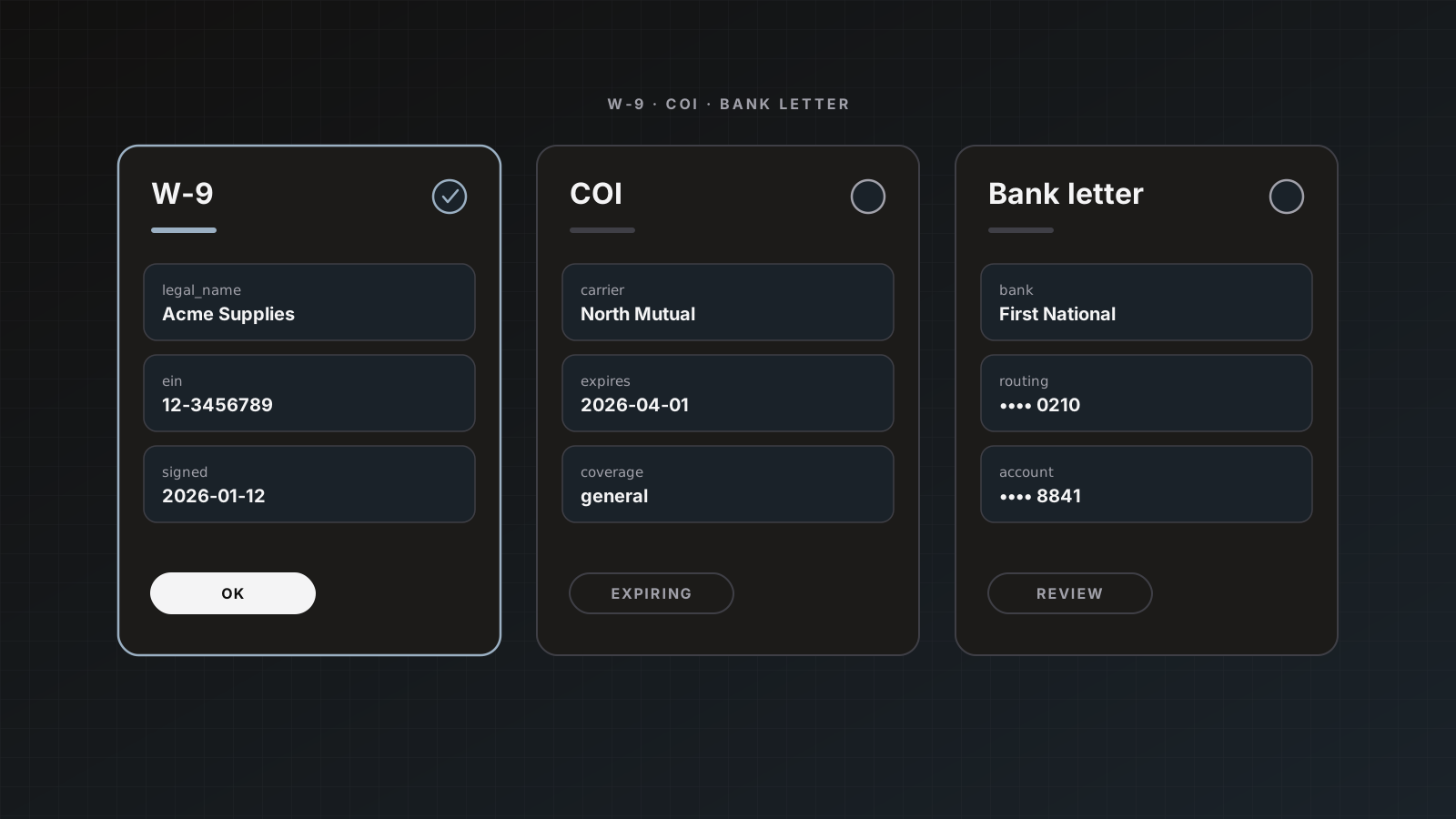
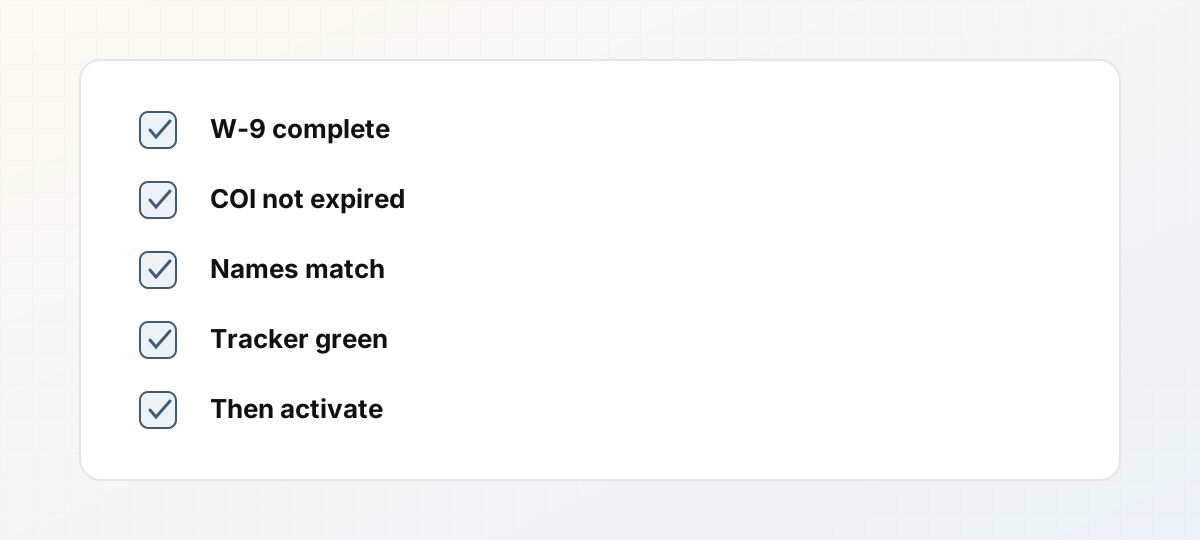 Activation gate for vendor documents.
Split parsers by document type
| Document | Example fields | Why separate |
|---|
| W-9 / tax forms | Legal name, TIN type, address, certification date | Tax vs insurance owners differ |
| COI | Insured name, insurer, policy numbers, effective/expiration, limits | Expiration monitoring |
| Bank letter | Account name, bank name, account/routing as policy allows | Higher sensitivity |
Separate parsers keep schemas and destinations clean. Packet uploads that glue several docs still split into children. Packets. Templates: Document templates.
Checklist workflow
- Vendor emails docs to an onboarding inbox → email intake or Zapier.
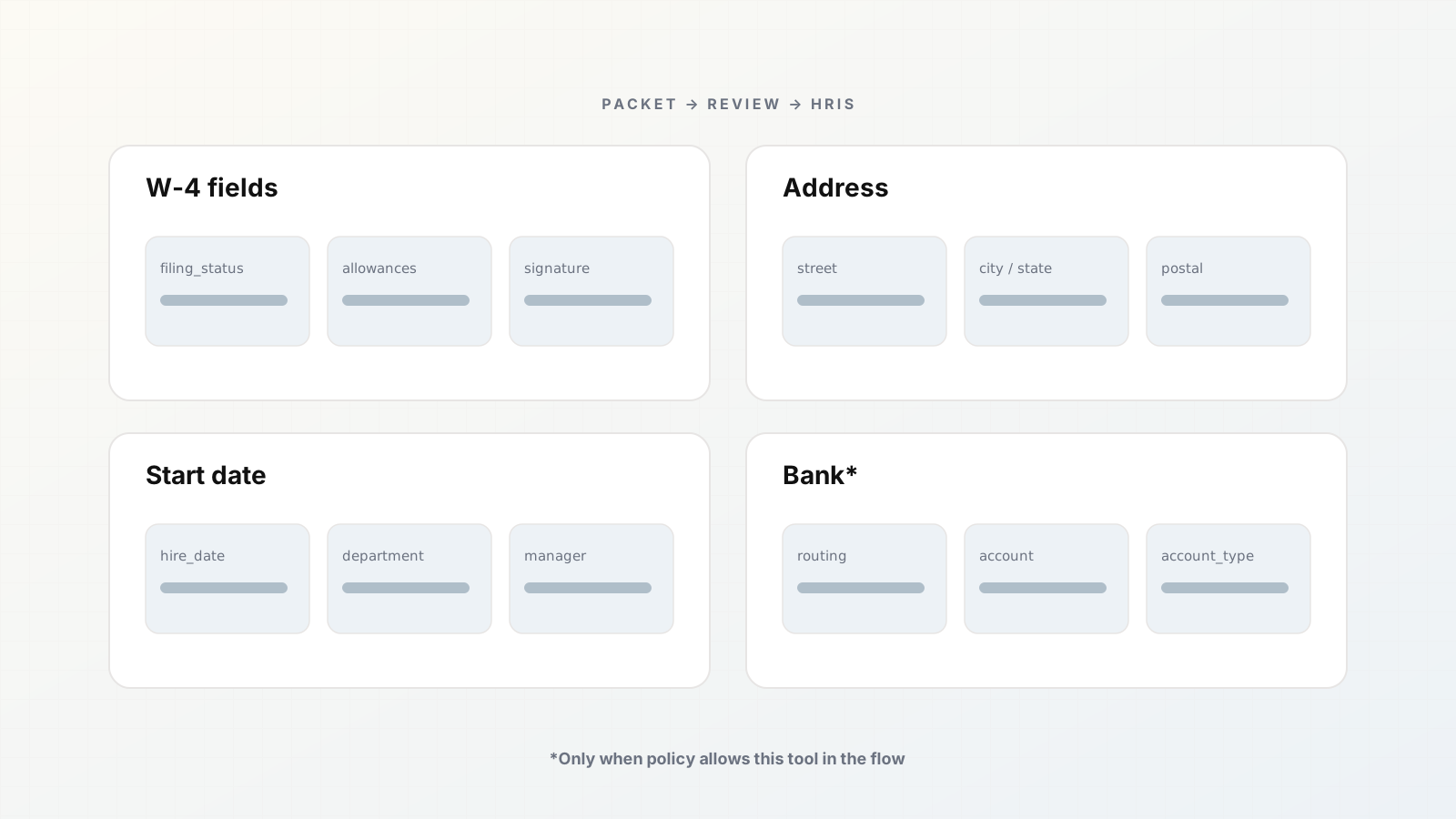
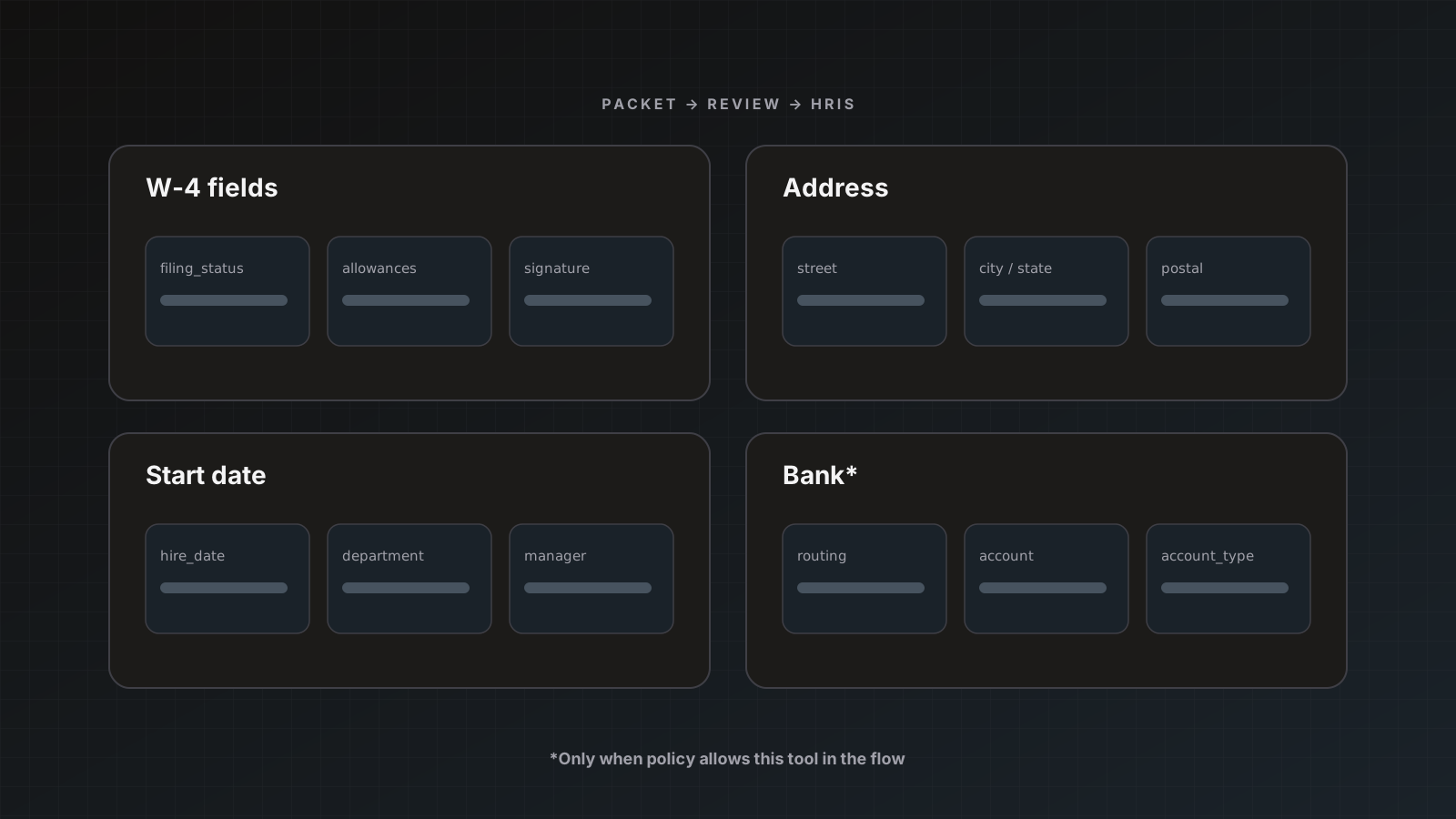
- Parsers extract fields into review.
- Coordinator confirms required fields and dates.
- Save & send appends a row to a Sheets/Airtable-style tracker (Airtable where enabled).
- Only then create or activate the vendor in procurement/ERP.
Security notes
Bank details and TINs are sensitive. Limit seats, prefer Restricted roles for outside contractors, and follow Data security. Do not put live vendor PII in public materials.
Pitfalls
- One mega-parser for every onboarding PDF
- Ignoring COI expiration fields
- Auto-send into ERP before legal name match
- Storing more bank data than policy allows
Where Parsedit fits
Parsers and review ahead of procurement systems. Soft CTA: start with W-9 + COI only. Related: Workflows to automate.
Minimum viable onboarding tracker columns
vendor_legal_name, doc_type, received_at, effective_date, expiration_date, tin_last4_or_status, coverage_limits_summary, reviewer, ready_to_activate (yes/no), notes
Do not store full account numbers in a widely shared sheet if policy forbids it. Keep sensitive values in Parsedit review and export only what procurement needs.
Renewal loop for COIs
COIs expire. A one-time extract is not a monitoring system, but a sheet with expiration_date lets you filter expiration_date < today+30 weekly. When vendors send updated certificates, intake again; dedupe skips identical files, so ask for a clearly new PDF when coverage changes.
Handoff to AP
When onboarding completes, AP still needs invoices. Keep vendor legal name aligned with what invoice extraction will see later. A W-9 name that never matches invoice letterhead becomes a permanent review tax. Fix naming at onboarding time.
Worked example: new supplier pack
A supplier sends one email with W-9.pdf and COI.pdf attached (or one combined packet).
- If separate attachments, email intake can create two documents across parsers if you route carefully; if one combined PDF, use packet children.
- Review W-9: legal name, TIN present, address.
- Review COI: insured name matches legal name, expiration ≥ 30 days out, limits meet policy.
- Send rows to the onboarding tracker with
ready_to_activate = no until both pass. - Procurement activates only when the tracker says yes.
Red flags reviewers should hard-stop on
- COI insured name ≠ contract entity
- Expired certificate
- Blank TIN on tax form
- Bank letter account name ≠ legal name
- Documents that are photos of photos with unreadable fields
Those are process failures, not extraction failures. Keep them in review.
Onboarding is a checklist sport. Extraction just makes the checklist honest about what arrived.
Finally, schedule a quarterly cleanup: archive tracker rows for inactive vendors, confirm COI expirations for active ones, and make sure parser templates still match the forms legal expects this year.
Keep the activation gate boring: no tracker green, no vendor live.
Document who owns the tracker so expirations do not depend on memory.
Vendor onboarding documents
W-9 extraction, COI tracking, and vendor packet checklist queries want activation gates, not vanity dashboards.
FAQ
Can we extract MSA text? Possible, but contracts are a poor first parser. Keep v1 to structured forms.
How do we handle multi-certificate packets? Split children; send each COI row separately to the tracker.
QuickBooks vendor create from W-9? You can align tax name review with later AP posting; onboarding trackers usually come first.
Stand up two parsers and run last quarter’s onboarding folder. Start free.