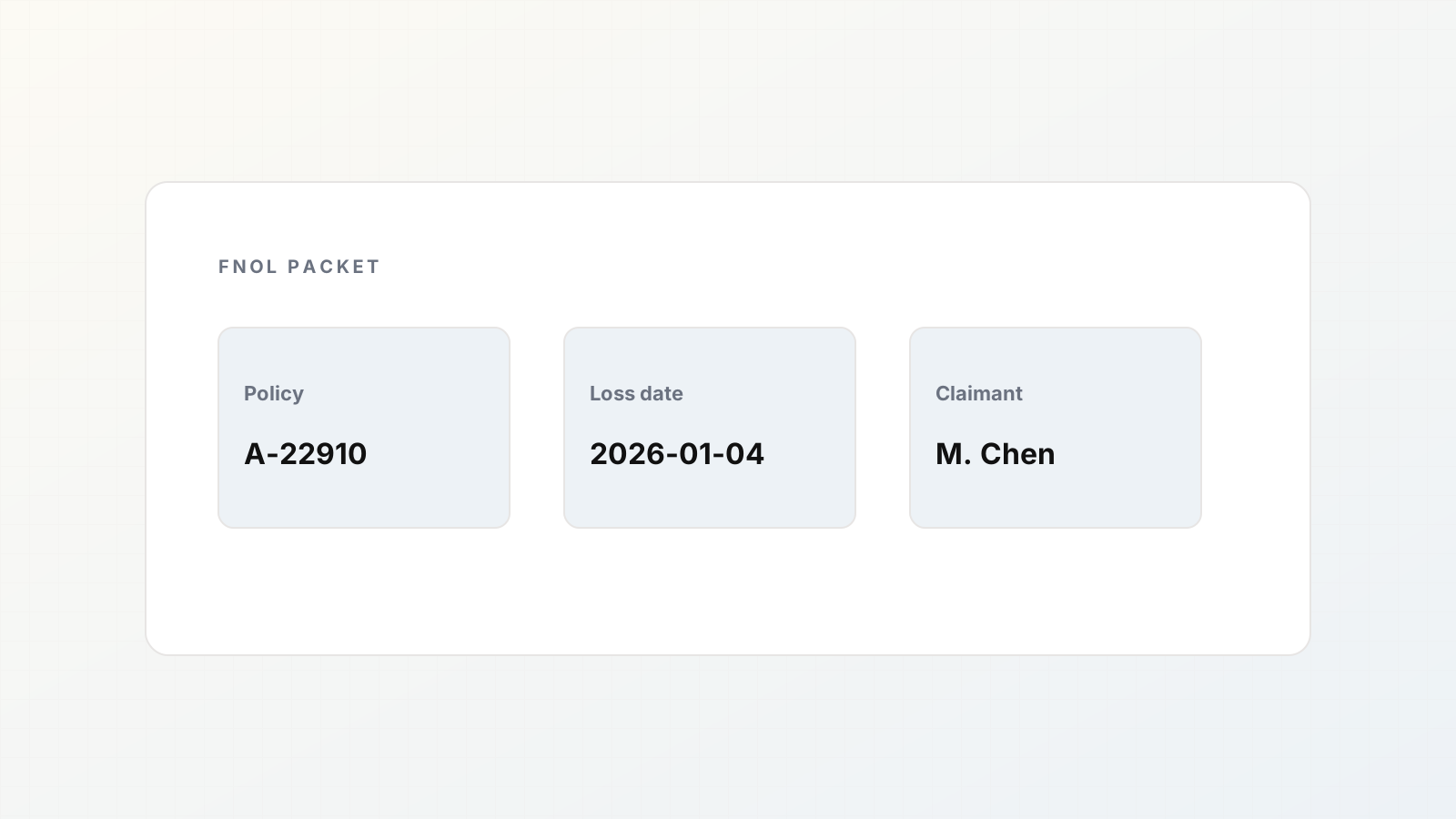
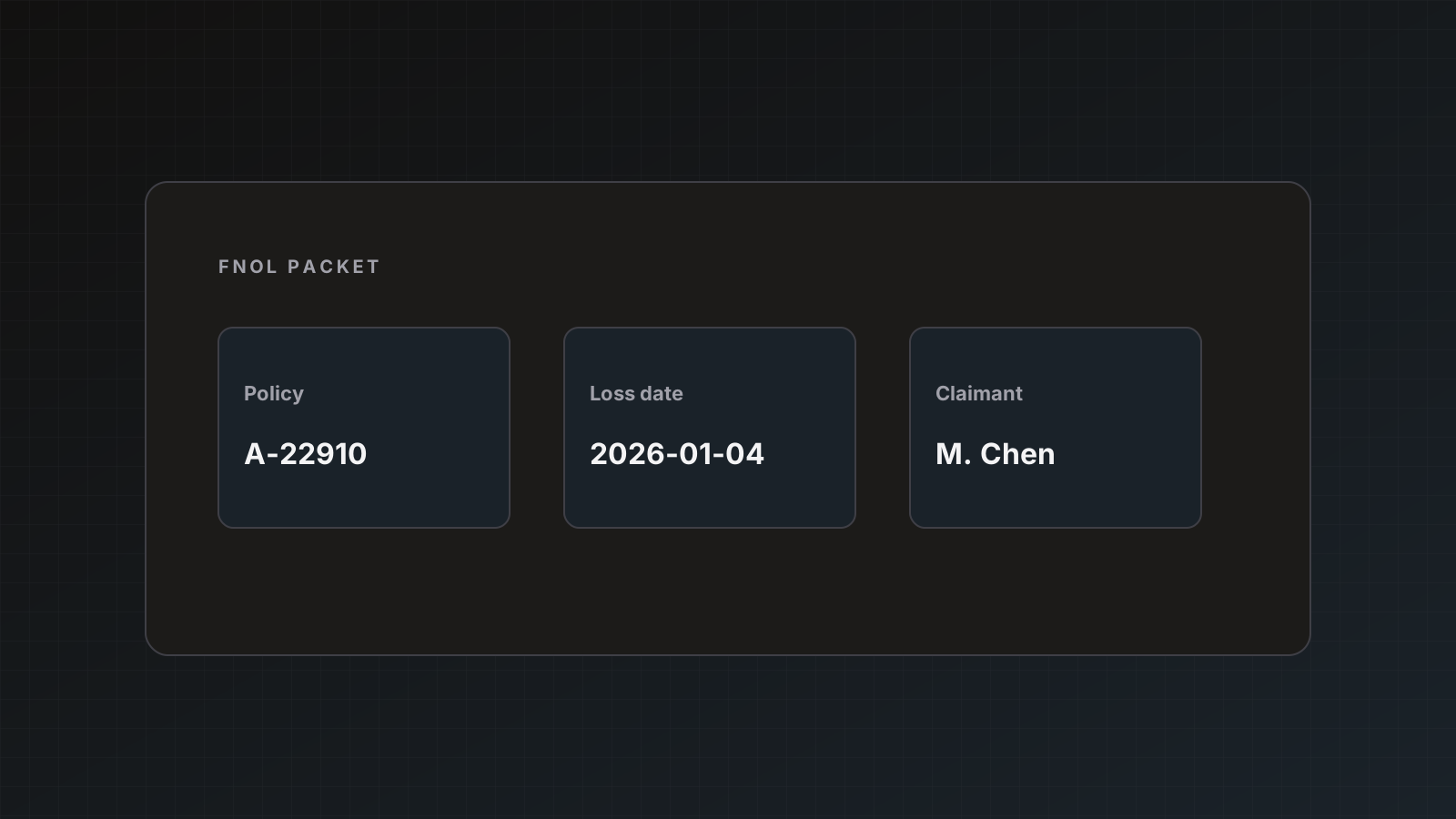
Onboarding packets arrive as mixed PDFs: tax forms, direct deposit authorizations, policy acknowledgements. HRIS entry waits on someone to retype names, addresses, and IDs. Typos here create payroll and compliance cleanup later.
A parser with a tight schema and mandatory review turns those files into a table you can trust before anything hits the HRIS.
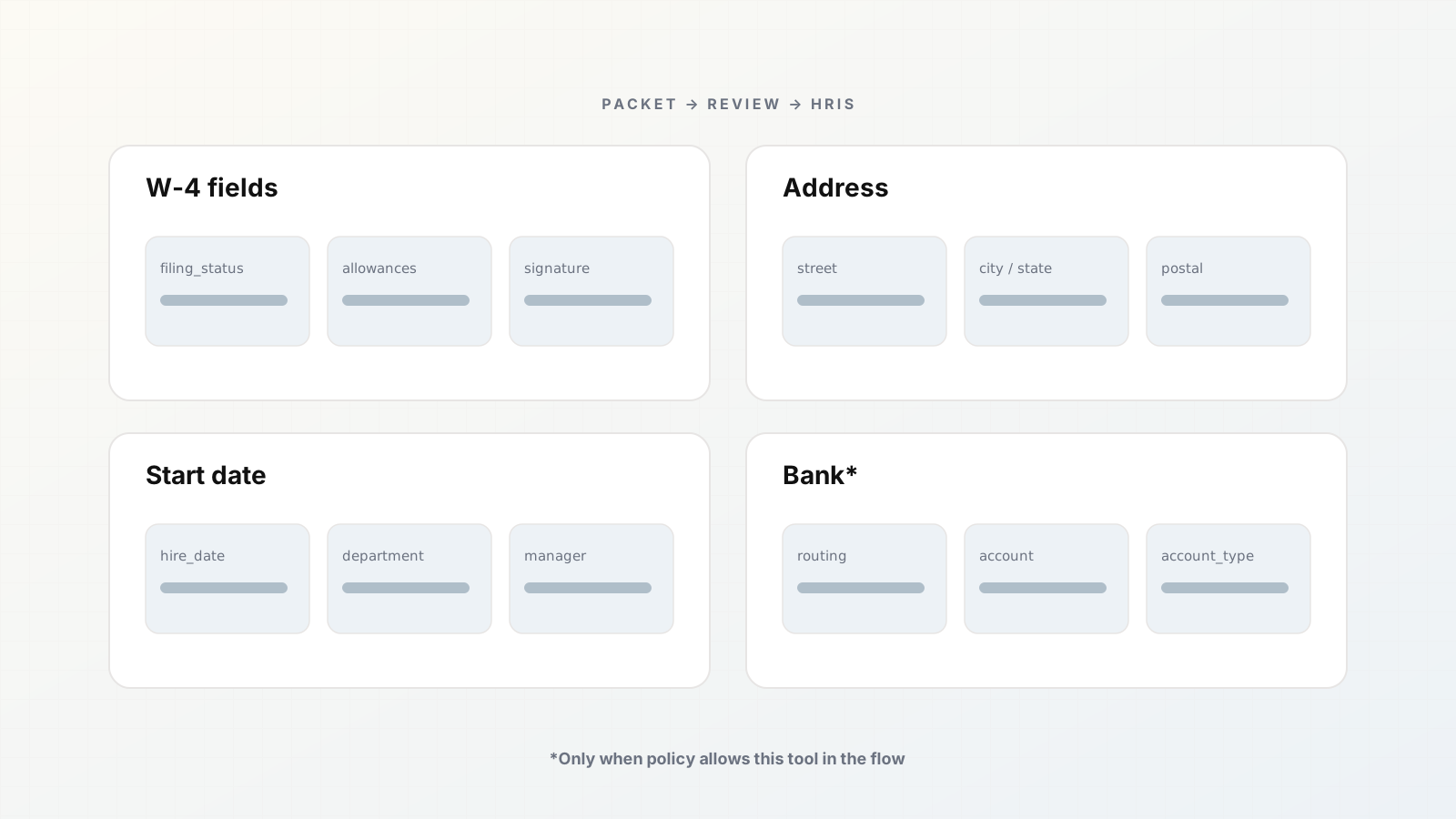
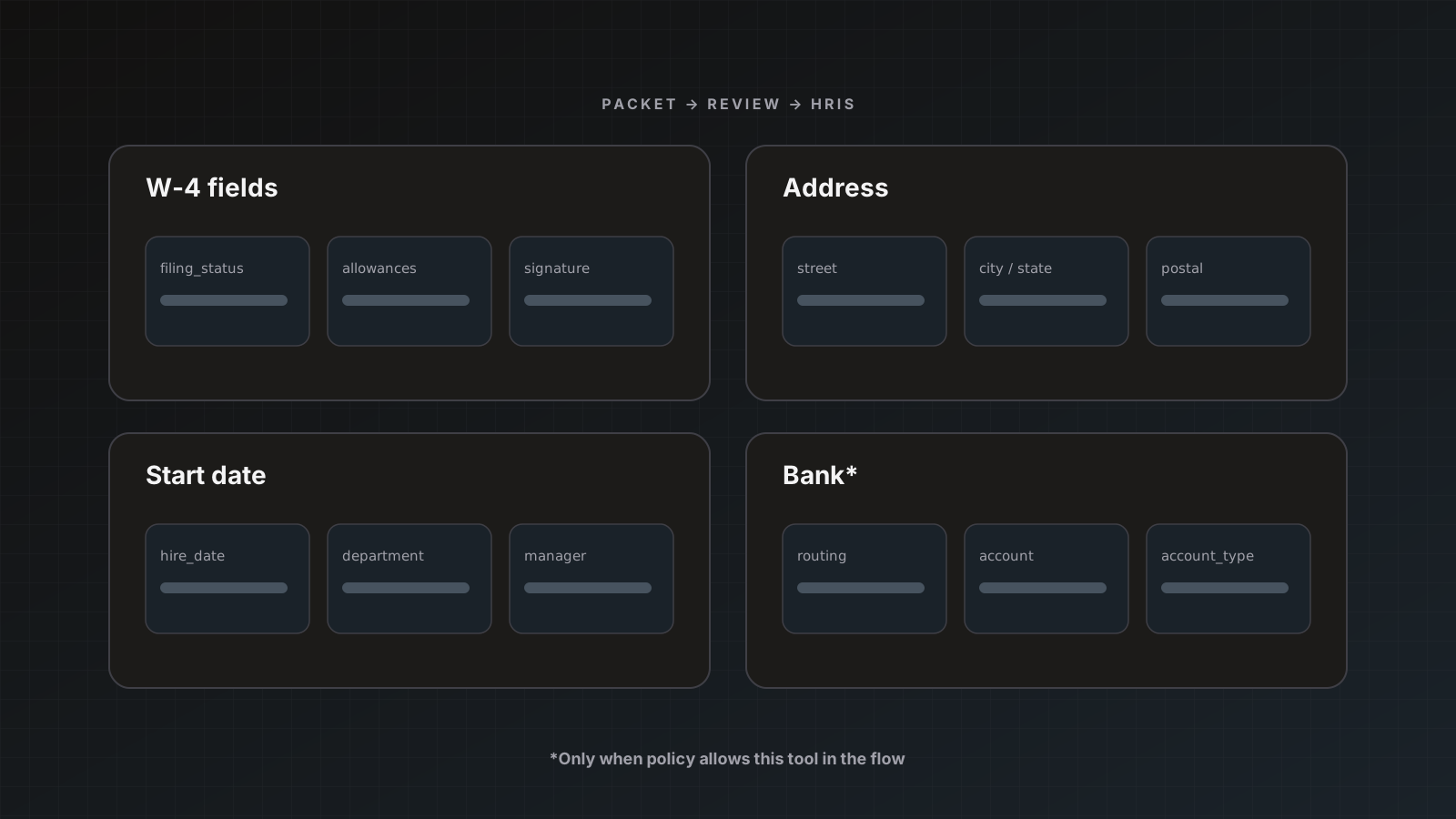
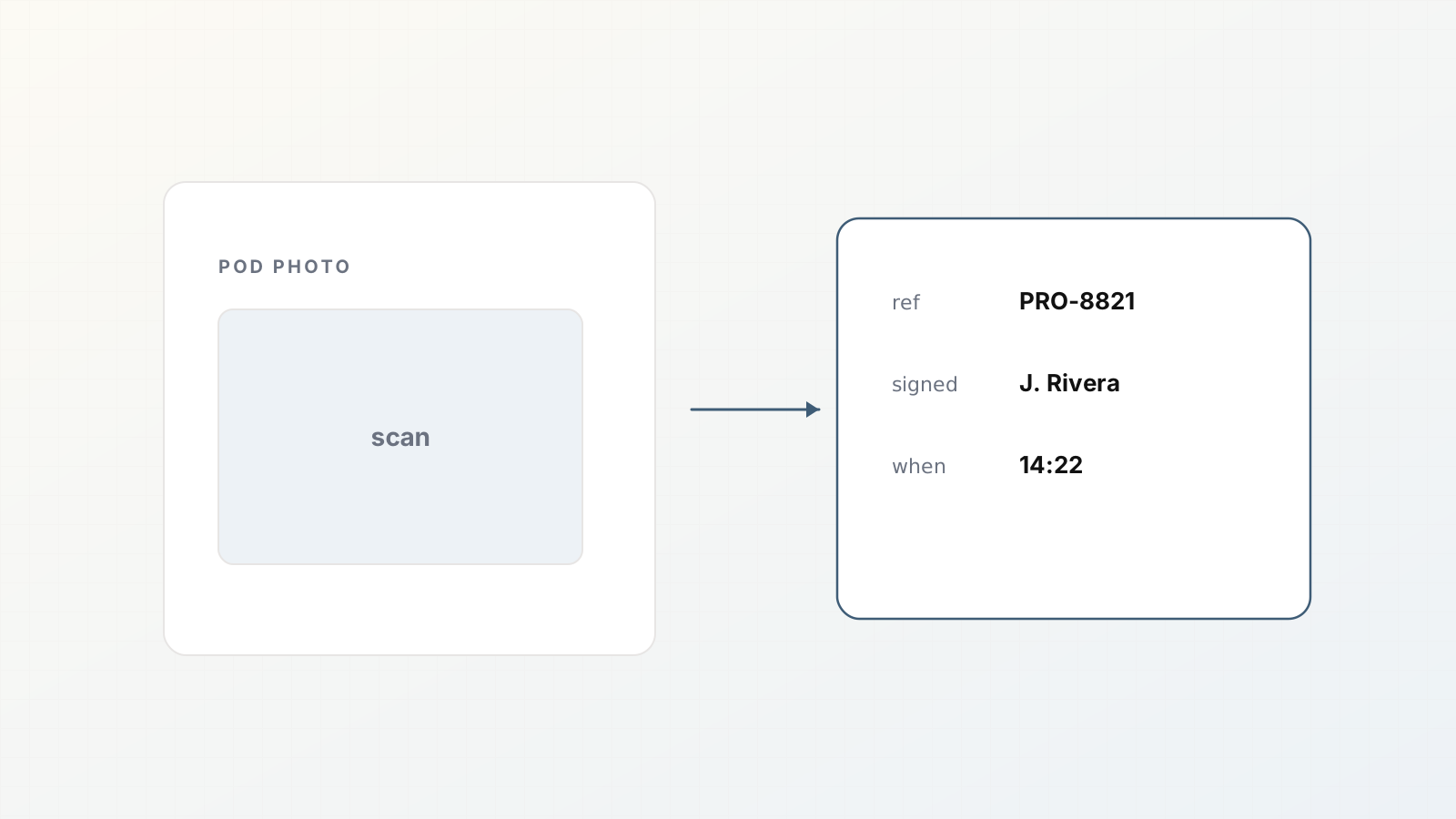
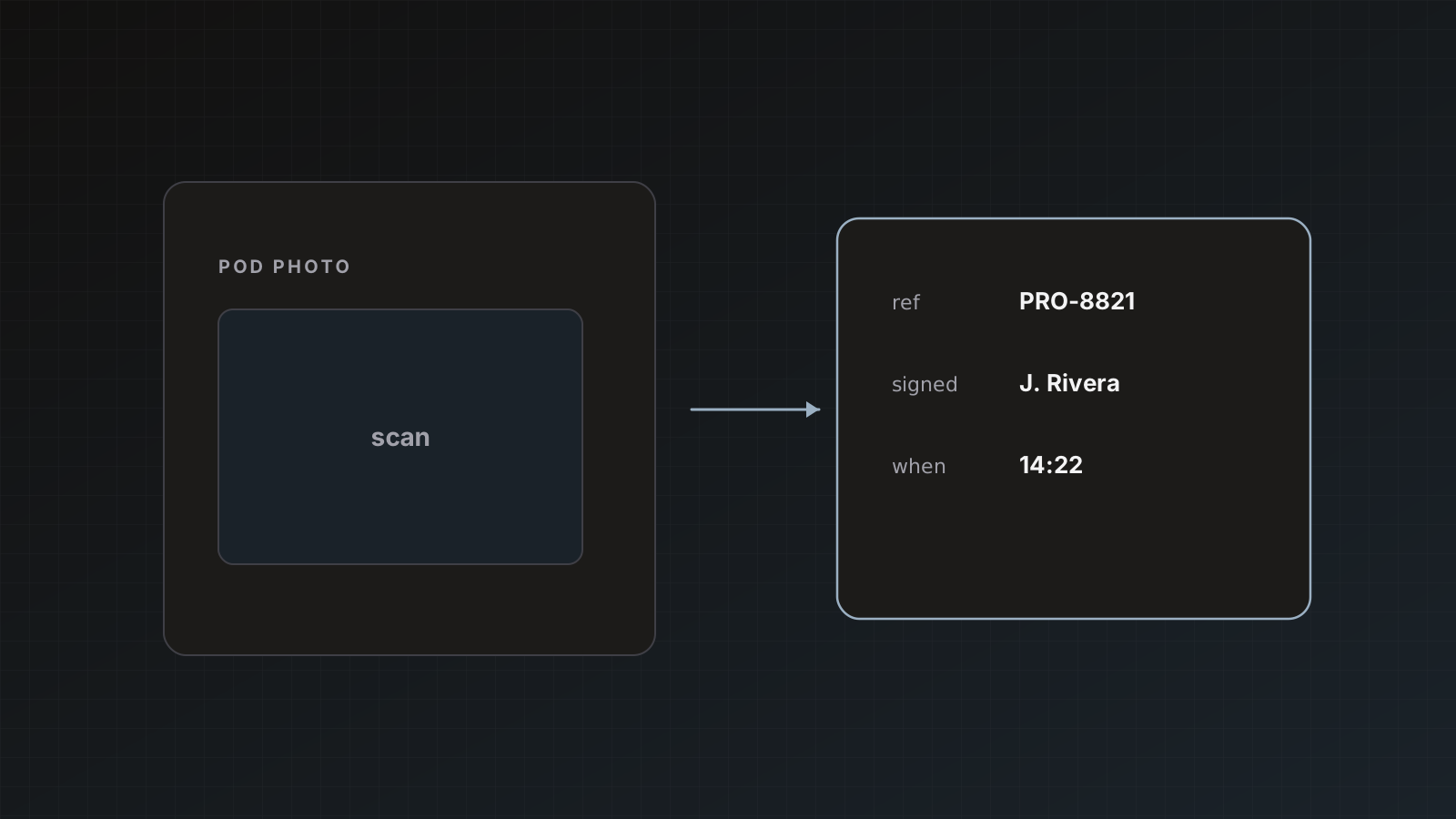
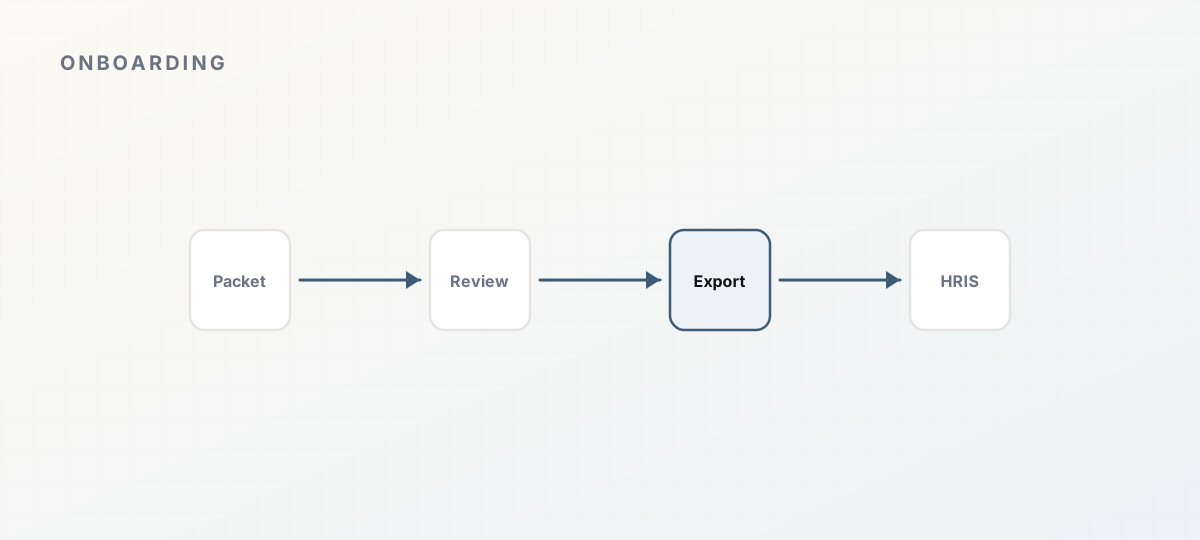 Onboarding packet to HRIS handoff.
What to extract (and what to skip in v1)
Extract fields you actually key:
- Legal name
- Address components you store
- Start date
- Tax form identifiers your process needs (for example W-9/W-4 style fields when applicable)
- Bank account fields only if your policy allows this tool in that flow
Defer handbook initials and essay-like acknowledgements unless a system requires structured capture. Template library includes payroll/tax oriented types you can customize. Document templates.
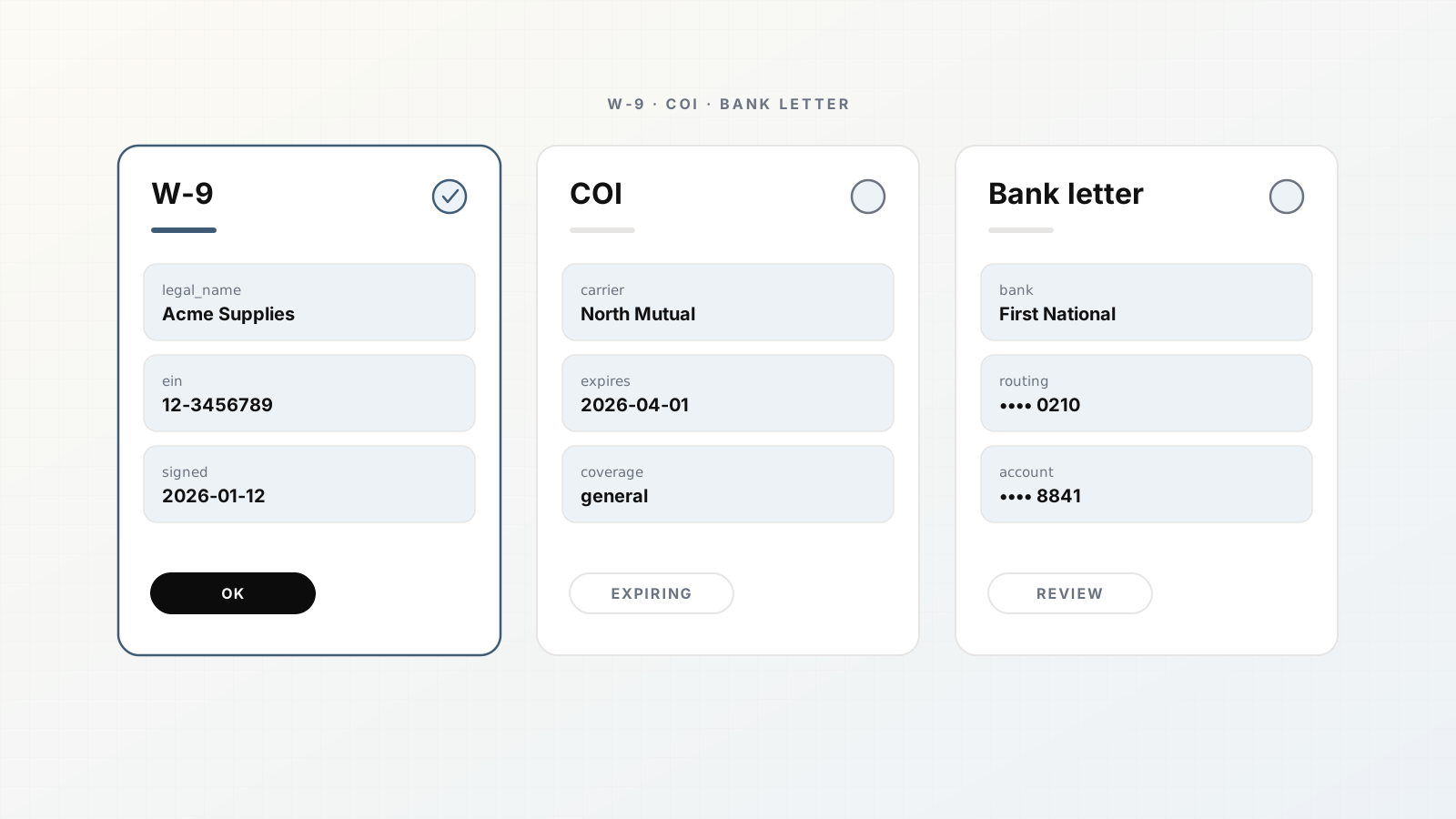
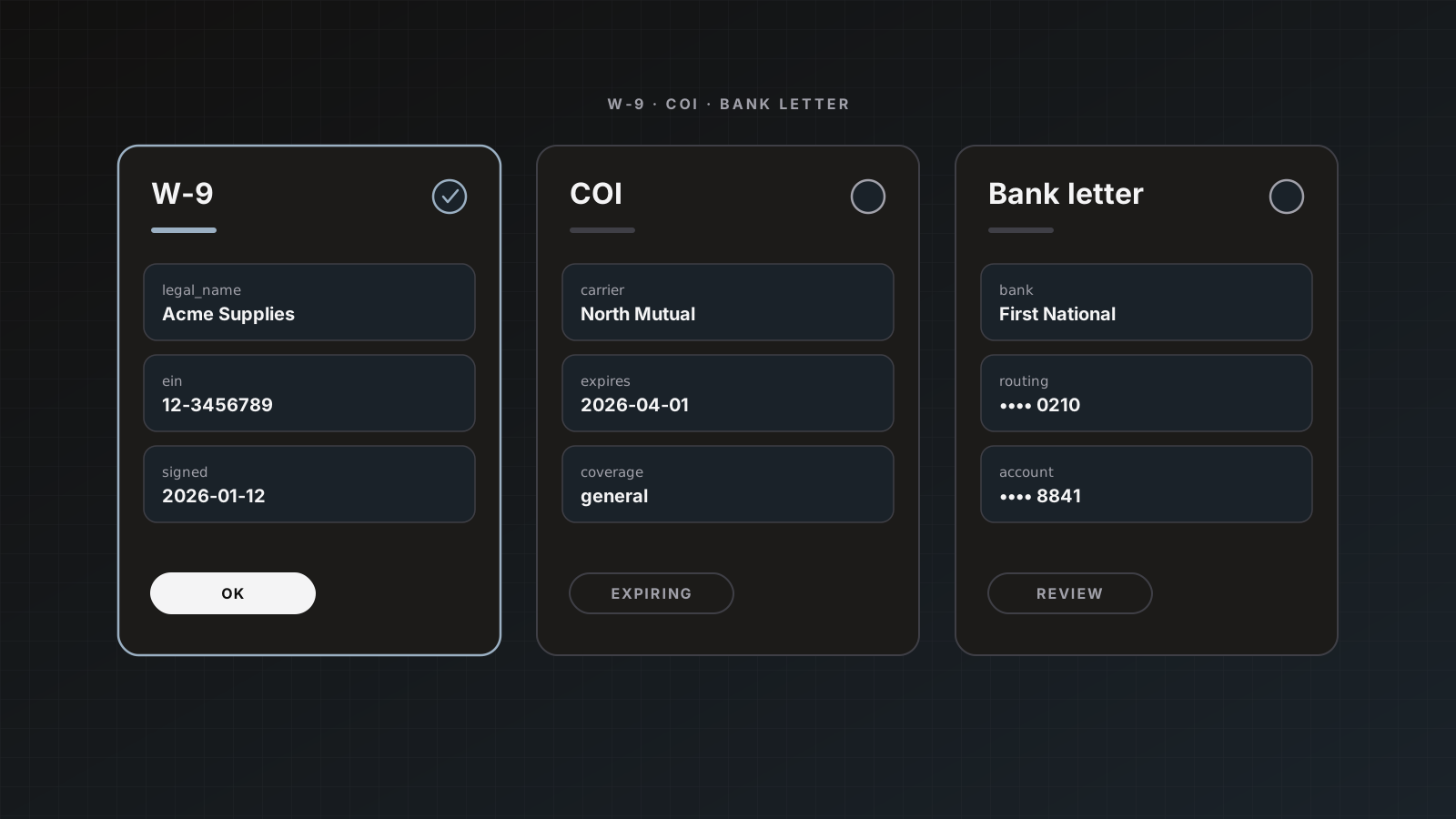
New hires often upload one combined PDF. Use packet splitting so tax forms and other docs become child rows when types differ. Packets.
Intake
- Offer letter systems that email PDFs → forwarding or Zapier
- Drive folders per start class → Drive import
- Recruiter drop uploads
Review and access control
Keep Save & send manual. PII belongs behind least-privilege seats: Restricted roles for contractors who should only see assigned parsers. Team collaboration, Data security.
Never use real employee PII in public screenshots.
Destinations
CSV/JSON export and Zapier cover many HRIS import paths. Sheets works for coordinator checklists. Webhooks fit custom onboarding apps.
Pitfalls
- Storing more sensitive fields than policy allows
- Auto-send into HRIS on day one
- One parser for employee and vendor tax forms with different owners
Where Parsedit fits
Extraction and review ahead of HRIS, not a replacement for payroll systems. Soft CTA: pilot one form type through a hiring week. Related: Workflows to automate.
Staged rollout for HR
Phase 1: tax forms only (highest retype cost).
Phase 2: direct deposit authorizations if policy allows.
Phase 3: acknowledgements only if an HRIS import requires structured flags.
Measure minutes per hire before and after phase 1. Expand only when coordinators trust review.
Anonymized pilot tip
For demos and training, use redacted samples. Production parsers should live in a workspace with tight membership. Avoid forwarding real packets to personal emails outside your retention policy.
Coordinator checklist beside Parsedit
- Packet received and split if needed
- Required fields non-empty in review
- Export or Zapier push to HRIS staging
- Human confirms HRIS import
- Mark hire complete in your tracker
Parsedit covers steps 1–3 well. Steps 4–5 stay in HRIS/process tools.
Worked example: five hires starting Monday
Friday afternoon you receive five combined PDFs from the recruiting inbox.
- Forward or upload into the Onboarding parser.
- Split packets so tax forms are separate children when mixed.
- Review required fields; hold any hire with missing bank or tax data.
- Export CSV for HRIS staging or run the Zapier push you tested.
- Confirm HRIS import Monday morning before payroll cutoff.
Time budget: if each hire takes three minutes of review, five hires are fifteen minutes, not two hours of retyping.
Access control checklist
- [ ] Only HR coordinators have Editor on this parser
- [ ] Contractors use Restricted if they must help
- [ ] No public links to documents
- [ ] Retention matches HR policy
If AP and HR share a workspace, keep parsers and destinations separate so finance destinations never see onboarding packets by accident.
During hiring spikes, assign one coordinator as reviewer-of-the-day so packets do not sit unowned. Unowned review queues recreate the same delay as unowned email inboxes.
A short daily standup on “hires stuck in review” prevents Friday surprises.
Keep a redacted sample pack for training so new coordinators practice without touching live PII.
Onboarding form OCR searches need PII caution and HRIS handoff language. Keep the schema short and access control explicit.
FAQ
Are W-2 / 1099 templates available? Payroll and US tax templates are part of the library; customize fields to your process.
Can employees upload themselves? Typically HR or an intake mailbox uploads; product seats are for operators.
Mobile photos of forms? Supported with OCR; expect more review.
Stand up an onboarding parser and run last month’s anonymized samples. Start free.